





Technologies
What is a Laminar Flow Element?
A laminar flow element creates a predictable, linear relationship between flow and pressure drop under controlled laminar conditions, enabling accurate and repeatable flow measurement based on differential pressure and forming the foundation of stable, pressure-based mass flow control.
Introduction
Laminar flow elements (LFEs) are a critical component in pressure-based flow measurement, designed to establish a stable and predictable relationship between flow rate and pressure drop. By conditioning the fluid into a laminar regime, the LFE ensures that differential pressure scales linearly with flow, enabling precise and repeatable measurement. This controlled behavior forms the foundation for accurate flow sensing in pressure-based mass flow controllers.
Overview
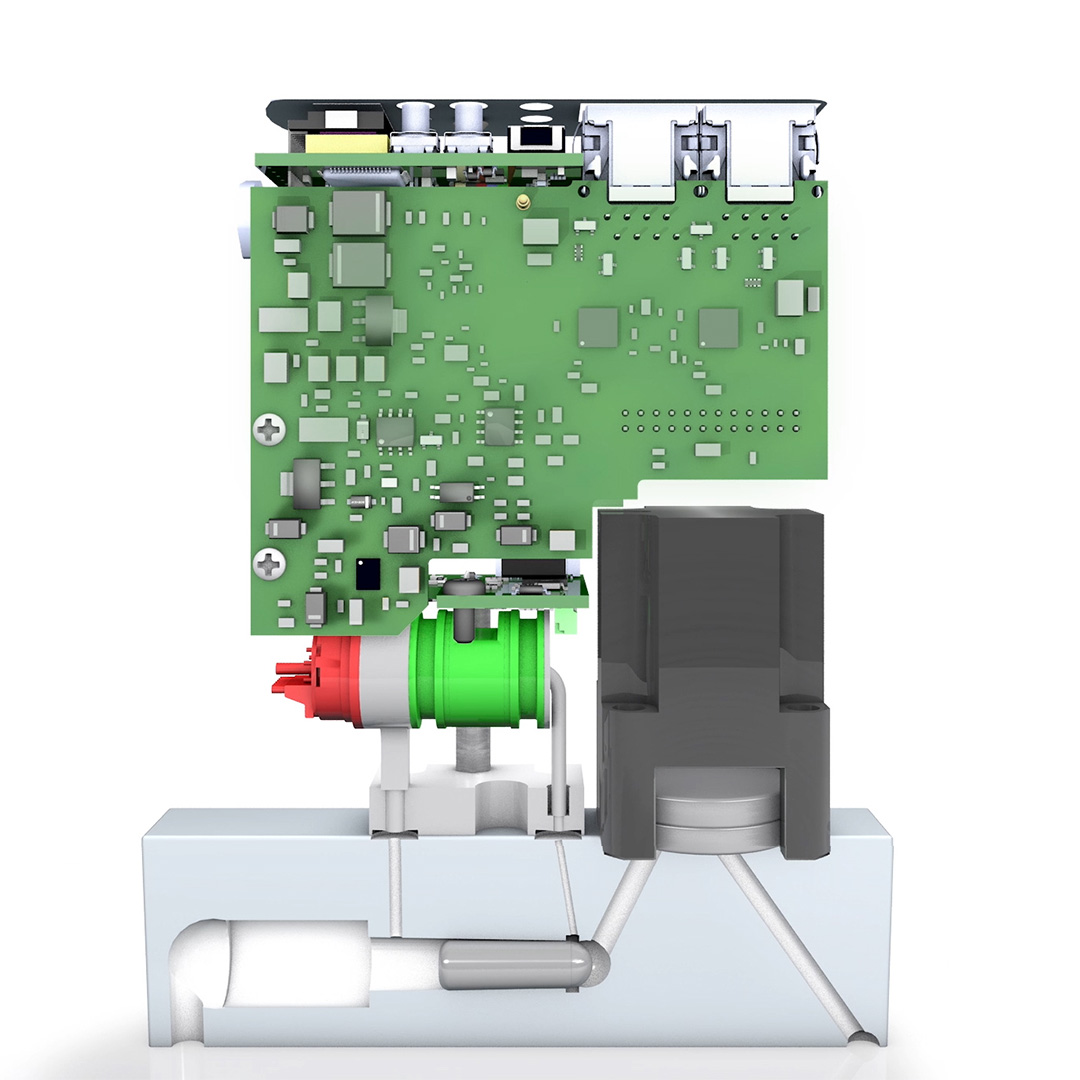
What is a Laminar Flow Element?
Under these controlled conditions, flow rate and pressure drop maintain a linear relationship. This allows flow to be accurately determined by measuring the differential pressure across the element. In pressure-based mass flow controllers, the LFE serves as the foundation for measurement—delivering stable, reliable performance by turning complex fluid dynamics into a consistent, measurable signal.
Understanding the Science Behind LFE
At the core of a laminar flow element (LFE) is the principle that fluid behaves in a highly predictable way when flow remains laminar—meaning it moves in smooth, parallel layers with minimal mixing or turbulence. In this regime, viscous forces dominate over inertial forces, and the relationship between flow and pressure becomes linear and well-defined.
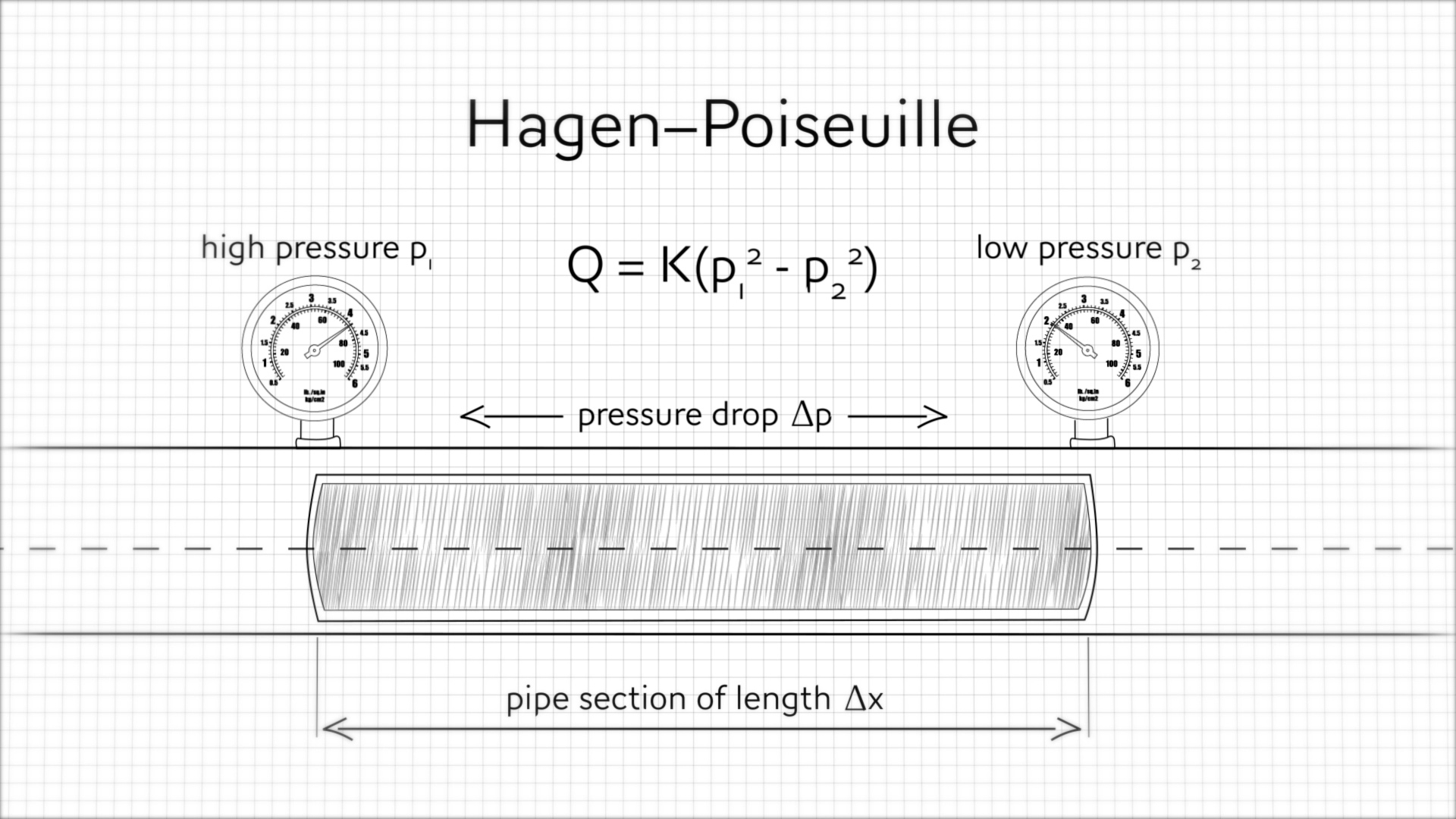
This behavior is described by the Hagen–Poiseuille equation, which shows that pressure drop across a channel is directly proportional to flow rate when conditions are laminar. By designing the LFE with precisely sized capillaries or flow paths, the device ensures that flow stays within this regime over a defined operating range.
As fluid passes through the element, friction between the fluid and the channel walls creates a pressure drop. Because the geometry of the LFE is fixed and tightly controlled, this pressure drop increases in direct proportion to the flow rate. By measuring the differential pressure across the element, the system can accurately determine flow.
In pressure-based mass flow controllers, this predictable relationship is what enables stable and repeatable measurement. The LFE effectively transforms complex fluid motion into a linear signal, providing a reliable foundation for precise flow control.
Why Choose Pressure-Based Mass Flow Controllers?
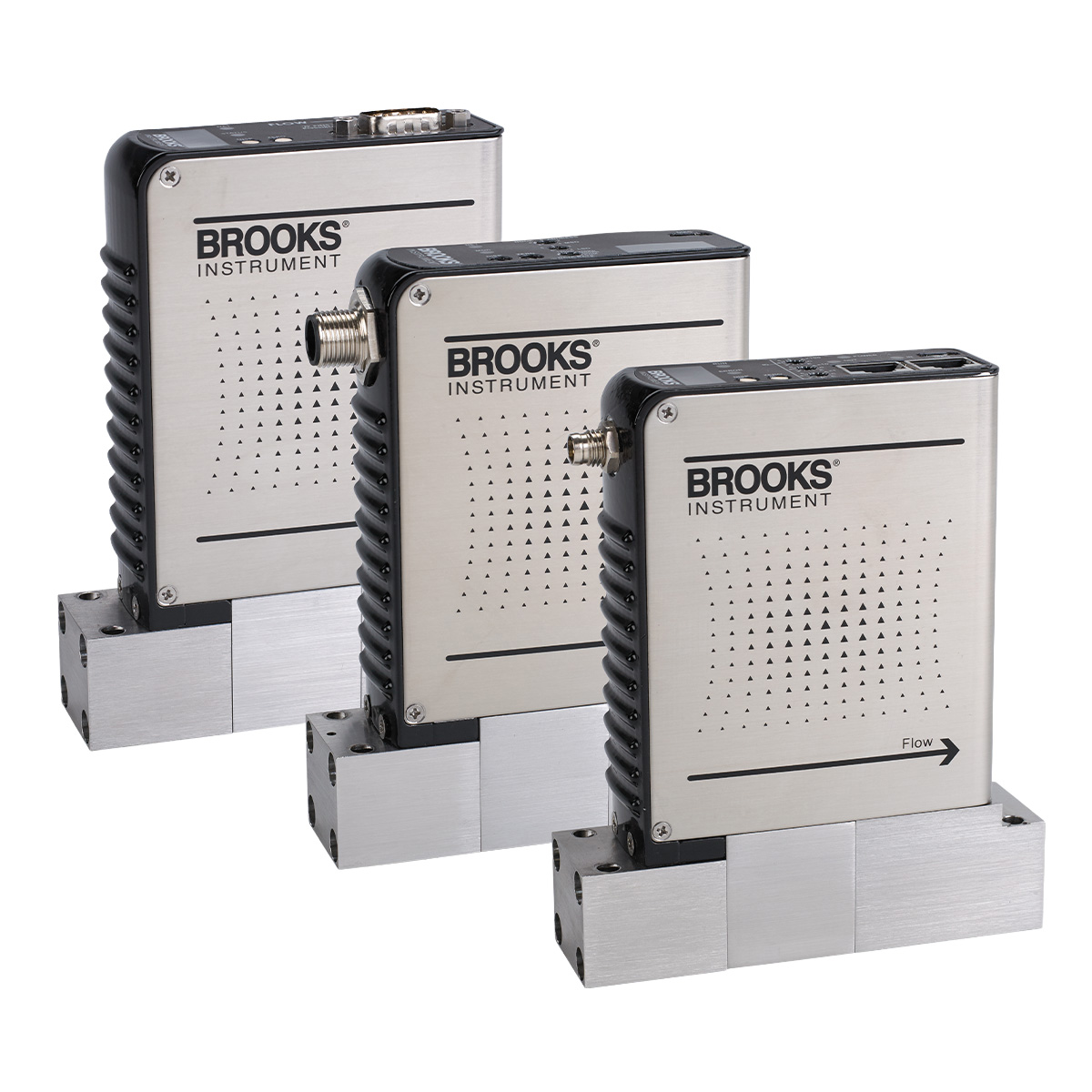
Pressure-based mass flow controllers, built around laminar flow element (LFE) technology, such as the Brooks Instrument GP200 Metal Sealed Mass Flow Controller, are a proven choice for applications requiring stable, repeatable control under well-defined conditions. By leveraging a linear relationship between flow and differential pressure, LFE-based systems deliver highly predictable performance without reliance on thermal properties or heat transfer effects. This makes them especially effective in clean, dry gas applications where operating conditions are consistent and well characterized.
Because the measurement is based on pressure rather than fluid-dependent thermal behavior, LFE-based controllers offer fast response and strong long-term stability. Their simple, robust design also makes them well-suited for high-pressure environments and applications where durability and reliability are critical. For processes such as industrial gas delivery and pressure-driven flow control, this approach provides a dependable and efficient solution for maintaining precise flow setpoints.
Discover What’s Possible with Brooks Instrument
Ready to find the right solution? Our experts are here to guide you. Explore products, request support, or connect with a distributor today.