





Flow Fundamentals: Principles
What Is a Flow Meter?
Flow meters provide the data needed to understand and manage gas and liquid flow across industrial processes. Different measurement technologies are designed to handle varying fluids, flow conditions, and accuracy requirements.
Introduction
A flow meter plays a critical role in monitoring the movement of gases and liquids across a wide range of processes. Understanding how different flow measurement technologies work is key to selecting the right solution and ensuring accurate, reliable data.
This page explores the principles behind a flow meter, the technologies used in a flow meter, and how each approach fits different applications. It’s designed to provide a clear starting point, whether you’re new to flow control or looking to better understand your current system.
Overview
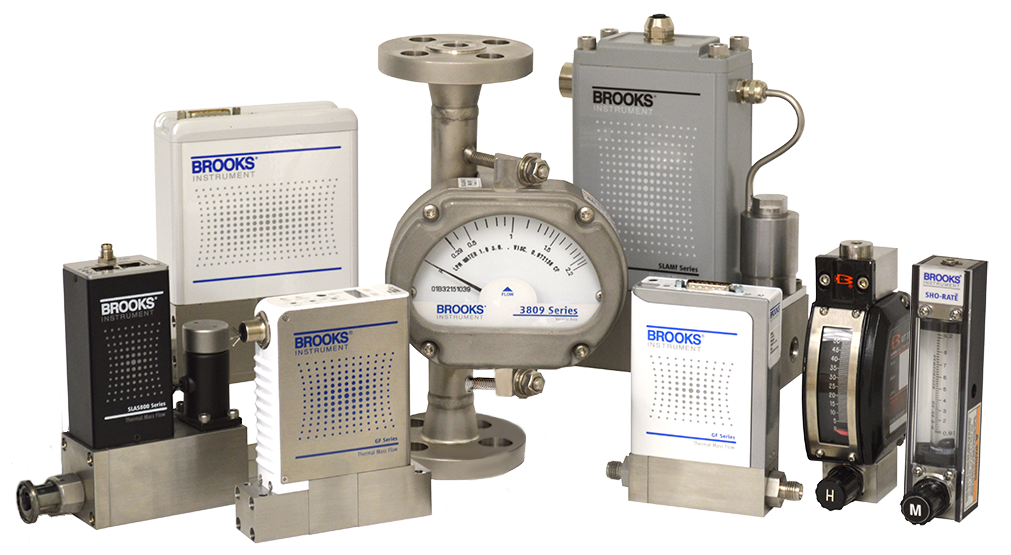
Core Concepts of Flow Measurement
Flow meters can measure either mass flow or volumetric flow, depending on the technology and application.
A mass flow meter is an instrument that measures the mass of a gas or liquid flowing through a system. Unlike volumetric measurement, it provides flow data that is independent of temperature and pressure changes.
By measuring the actual amount of material moving through the process, mass flow meters deliver more accurate and reliable data for applications where precision is critical.
An ultrasonic flow meter is a device used to measure liquid flow by using sound waves to determine how fast fluid is moving through a system. By sending ultrasonic signals through the fluid and analyzing how those signals change with flow, the meter calculates flow rate in real time.
Because ultrasonic flow meters can be installed externally using clamp-on sensors, they allow for non-invasive measurement without contacting the process fluid. This makes them ideal for applications where cleanliness, system integrity, and ease of installation are important.
The key difference is control. A mass flow meter measures flow only. A mass flow controller measures flow and adjusts it.
A mass flow controller includes an integrated control valve and feedback system that continuously regulates flow to maintain a setpoint. A flow meter provides measurement data but relies on external systems for control.
Learn more about how flow controllers work and when to use them here.
Mass flow measurement provides a direct, accurate representation of how much material is moving through a system, independent of changes in temperature or pressure.
This is critical in applications where process consistency affects product quality, precise gas ratios are required, and small variations can impact yield or safety.
By measuring mass instead of volume, operators gain more reliable and repeatable control over their processes.
What is a Flow Meter?
A flow meter is used to measure the rate at which a gas or liquid moves through a system, either as a mass flow rate or a volumetric flow rate. It provides real-time data that helps operators monitor process conditions and understand how fluids are behaving within a process.
Flow meters are used to track flow between points in a system, enabling better visibility into performance, efficiency, and product quality. In applications where flow must be actively adjusted, a flow meter can be integrated with a control valve to create a flow controller, combining measurement with control.
How Does a Flow Meter Work?
A flow meter measures fluid flow using either volumetric or mass-based measurement. Volumetric flow measures the space a fluid occupies as it moves through a system and is influenced by temperature and pressure—especially in gases—while mass flow measures the actual amount of material moving through the system and remains consistent regardless of these conditions.
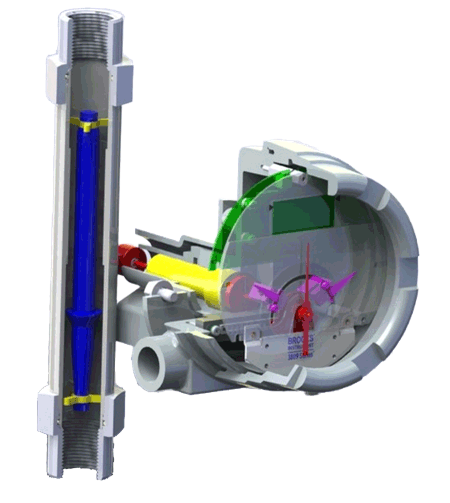
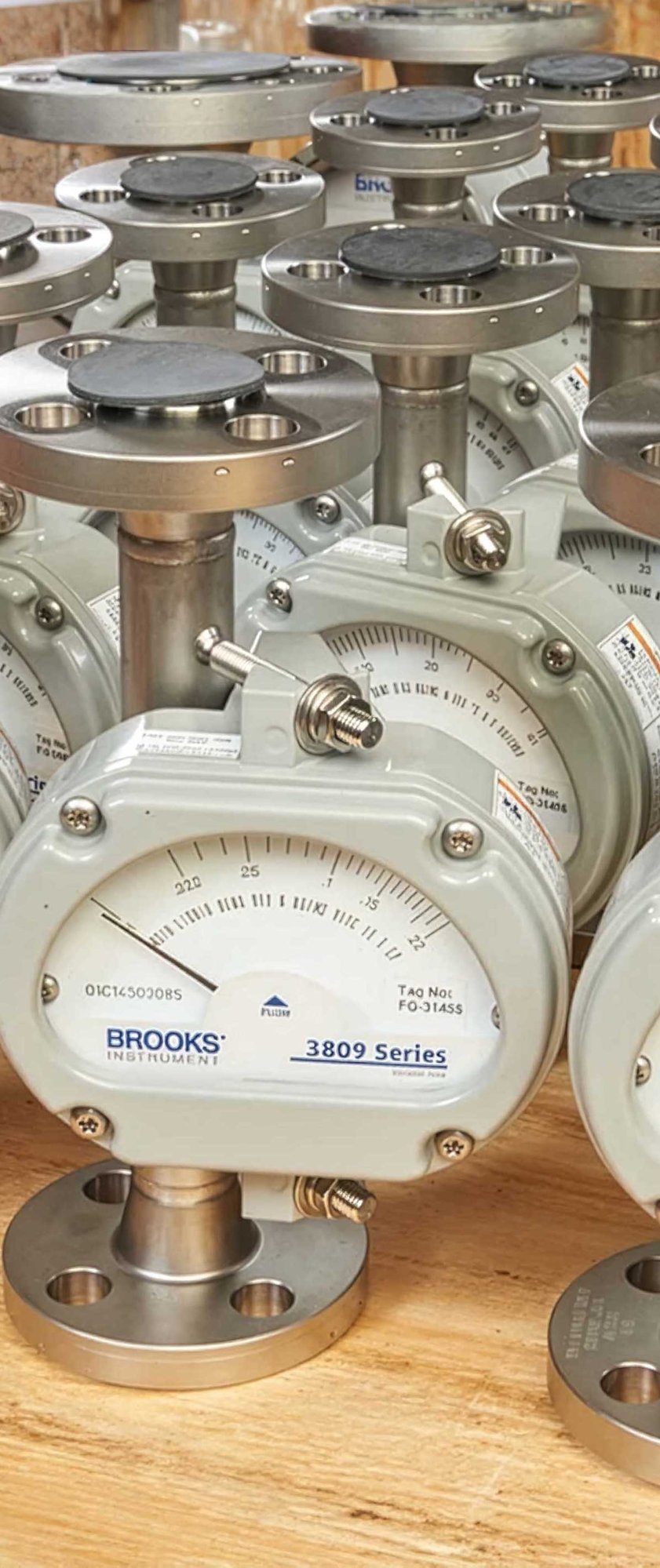
Volumetric flow measurement is widely used across industrial processes because it provides a direct and intuitive understanding of how much fluid is moving through a system. It is particularly well-suited for applications where visual indication, simplicity, and cost-effective monitoring are important. Technologies such as variable area flow meters rely on volumetric principles, using a float within a tapered tube to provide a reliable, real-time indication of flow rate without the need for external power. This makes them a practical choice for many gas and liquid applications.
Because gases are compressible, volumetric flow readings can vary with changes in temperature and pressure. For this reason, gas flow is often referenced to standardized conditions, and mass flow is frequently expressed using standardized volumetric units, allowing for consistent comparison across varying process conditions. In contrast, liquids are largely incompressible, making volumetric flow measurement a stable and effective approach in many liquid applications. Depending on the application, either a mass flow meter or a volumetric flow meter may be used.
To determine flow, different technologies measure how the fluid interacts with a sensing element. Common measurement principles include thermal, Coriolis, ultrasonic, and variable area, each with advantages depending on the fluid type, flow conditions, installation requirements, and required accuracy.
Some flow meters are designed specifically for gases or liquids, while others are fluid-independent and capable of accurately measuring both.
Flow Measurement Technologies
The type of flow meter used in an application is largely determined by the underlying measurement technology. Different sensing principles are suited to different gases, fluids, flow ranges, and accuracy requirements.
Variable Area (VA) Flow Measurement
Variable area flow meters use a float within a tapered tube to indicate flow rate. As flow increases, the float rises to a corresponding position, providing a simple and reliable visual measurement.
Brooks Instrument’s variable area flow meters are well suited for applications where ease of use and durability are more important than high-precision control.
Ultrasonic Flow Measurement
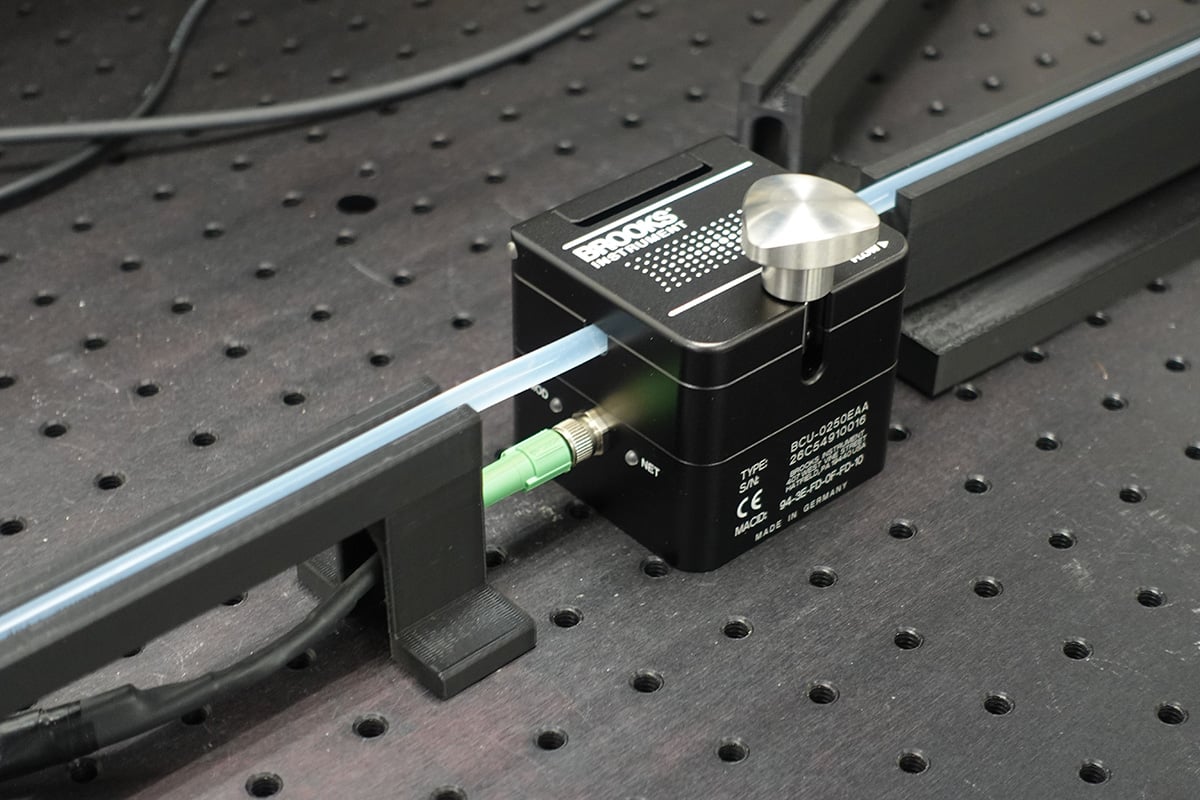
Ultrasonic flow meters use sound waves to measure flow velocity and determine flow rate without contacting the process fluid. This makes them ideal for applications requiring non-invasive measurement.
Brooks Instrument’s BCU Clamp-On Ultrasonic Flow Meter enables flexible installation and accurate measurement without interrupting the process.
Thermal-based Flow Meters
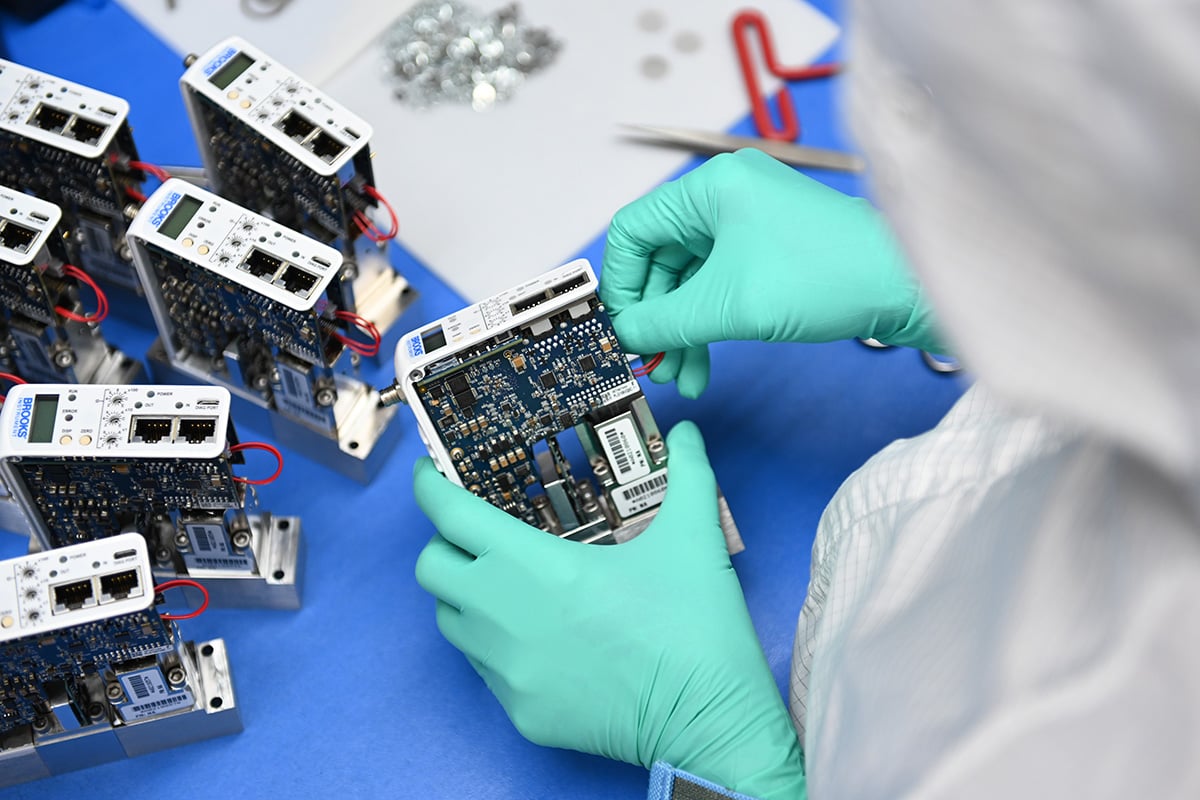
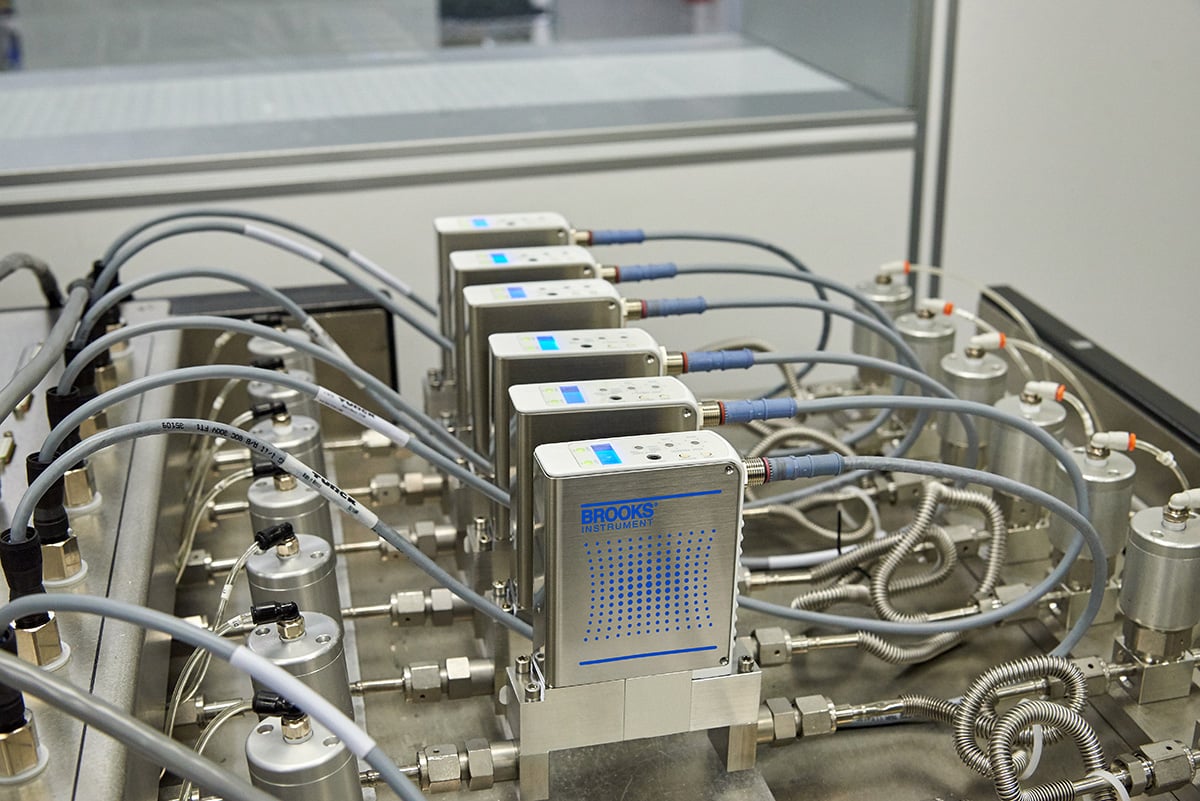
Thermal mass flow meters use heat transfer to measure and control gas flow. As gas passes over a heated sensor, the rate of heat loss is directly related to the mass flow rate, enabling precise and repeatable control.
Brooks Instrument offers a broad range of thermal flow meters, including the SLA Elastomer-Sealed and GF100 Metal-Sealed mass flow meters, designed for high-performance gas applications where stability and accuracy are critical.
Coriolis Flow Meters
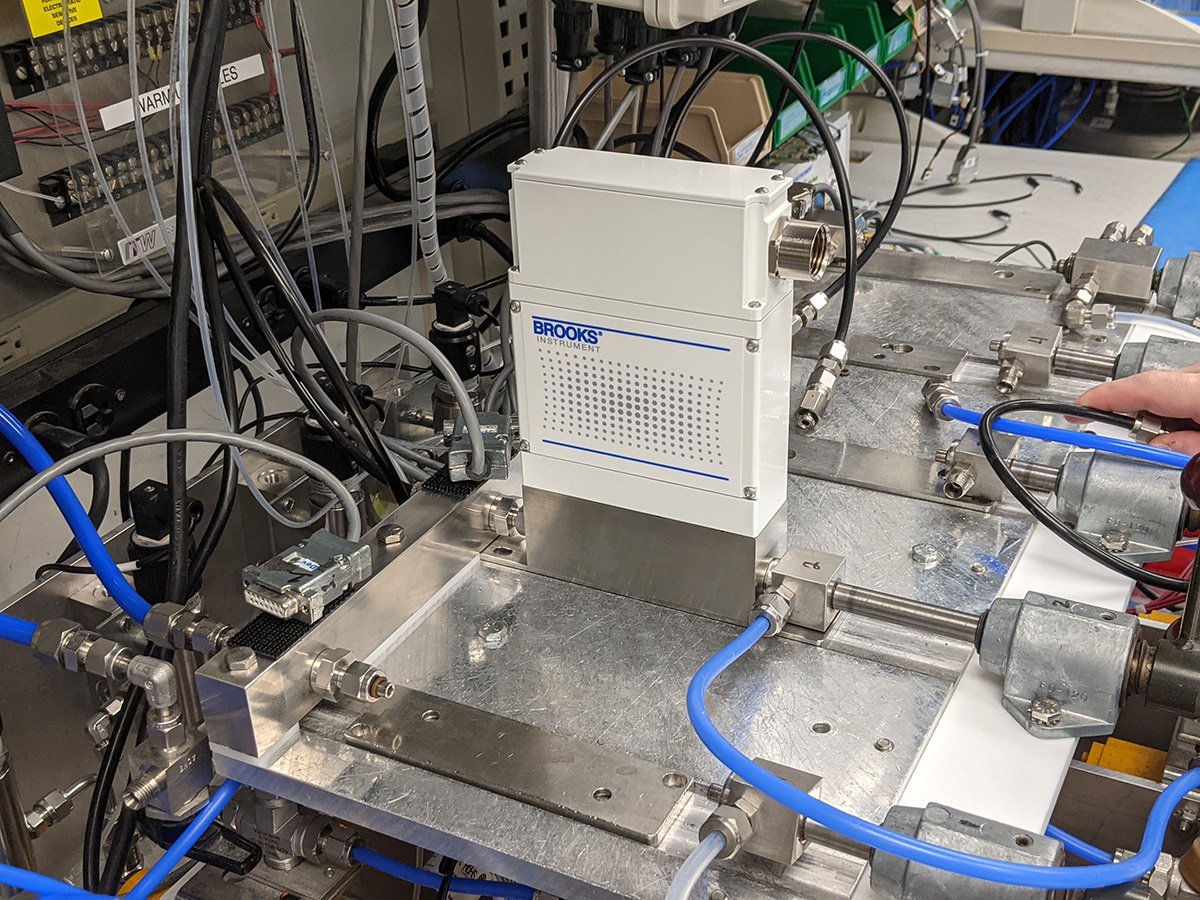
Coriolis-based flow meters measure mass flow directly by detecting changes in vibration as fluid moves through a sensor tube. This fluid-independent method is ideal for applications involving varying or unknown compositions.
Brooks Instrument’s Quantim® QMC Coriolis mass flow meters provide highly accurate measurement for liquids and gases without the need for fluid-specific calibration.
Define the minimum, maximum, and typical operating flow rates.
Flow can be expressed in:
-
Volumetric units (e.g., L/min)
-
Standardized volumetric units (e.g., SLPM)
-
Mass units (e.g., kg/h)
Accurate selection depends on choosing a meter that operates within its optimal range—not just its maximum capacity. Undersizing or oversizing can impact accuracy and control stability.
Understand both:
-
Inlet pressure (P1)
-
Outlet pressure (P2)
These determine:
-
Available differential pressure
-
Suitability for control valve operation (in MFCs)
-
System compatibility with the meter’s pressure rating
If your process is pressure-sensitive, consider technologies designed for low pressure drop. For high-pressure systems, ensure the device meets required pressure ratings.
Temperature affects both measurement accuracy and instrument reliability.
Consider:
-
Fluid temperature: Impacts density and measurement performance
-
Ambient temperature: Affects electronics and long-term stability
For applications with temperature variation, select instruments with temperature compensation to maintain accuracy.
For extreme environments (e.g., furnaces, outdoor installations), confirm the device is rated for those conditions.
Installation environment influences both performance and compliance.
Key considerations:
-
Indoor vs. outdoor use
-
Laboratory vs. industrial setting
-
Exposure to moisture, dust, or vibration
Check for required protection and certifications:
-
Ingress protection (IP / NEMA ratings)
-
Hazardous area approvals (ATEX, IECEx)
-
Industry-specific certifications (e.g., FDA)
Not all applications require the same performance.
Ask:
-
Do you need measurement only, or measurement + control?
-
What level of accuracy and repeatability is required?
-
How critical is response time?
For precision processes (e.g., semiconductor, research), prioritize high accuracy and stability.
For general industrial use, robustness and reliability may be more important.
Selecting the Right Flow Meter for Your Application
Selecting the right flow meter starts with understanding your process conditions and performance requirements. The key is matching the measurement technology to your application—not just the specs.
To the left, you will find the 5 key questions one should ask when selecting a flow meter. Please use the arrows next to each tab to scroll through the section process.
Define your Application Requirements
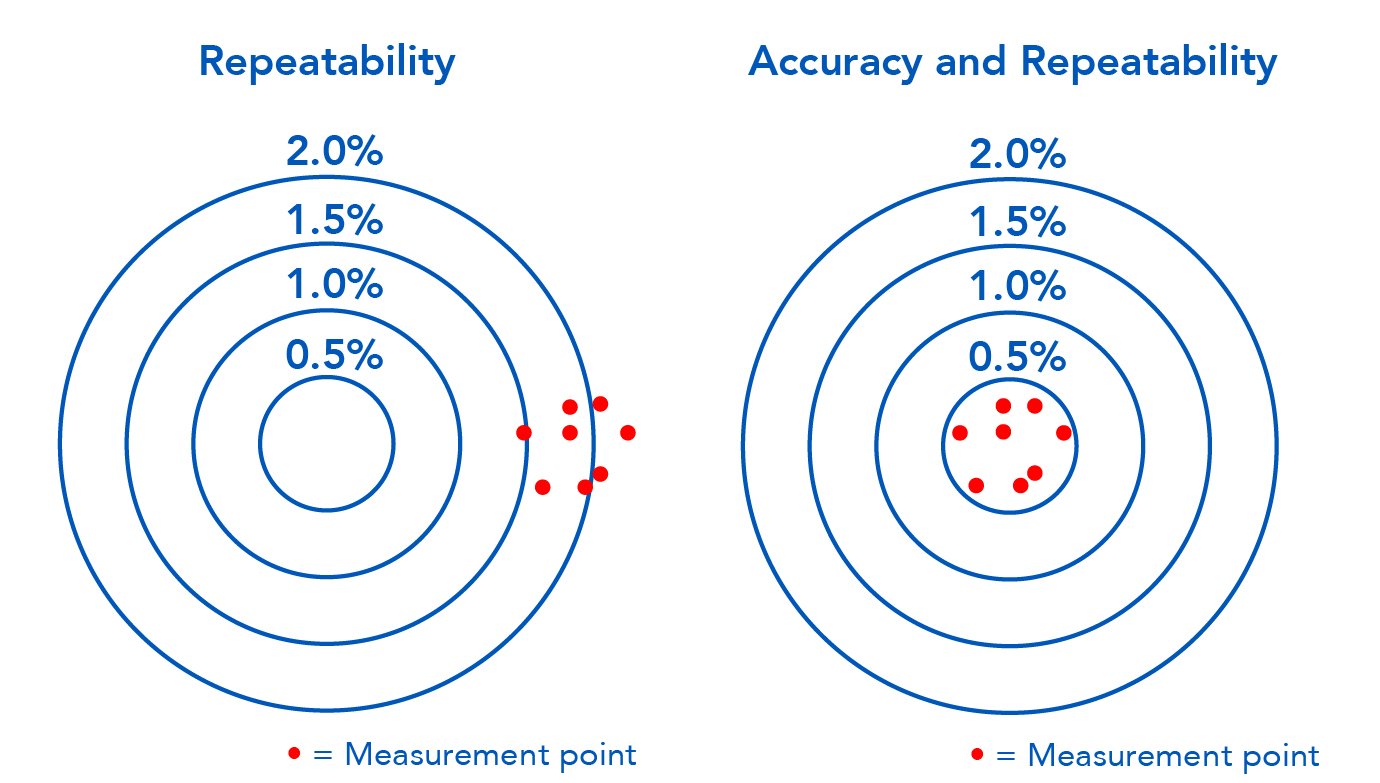
Measurement performance is also key. Accuracy defines how close a measurement is to the true value, while repeatability ensures consistent results. Depending on the application, repeatability is often critical for maintaining stable process control.
Flexibility should also be considered, especially in applications where requirements may change. Instruments that support a wide range of conditions or multiple fluids can be reused across different processes, improving long-term value.
For processes with varying flow rates, rangeability is important. A flow meter with a high turndown ratio can accurately measure across a wider range, reducing the need for multiple devices and simplifying system design.
Understanding Your Process Conditions
Process conditions are just as important as basic specifications when selecting a flow meter. In hygienic applications such as food, beverage, and pharmaceutical processes, cleaning methods like CIP and SIP expose instruments to high temperatures and aggressive media. Materials, seals, and certifications (e.g., FDA) must be compatible to ensure reliable operation.
Installation constraints should also be considered. Limited space may require compact designs or technologies that do not depend on long straight pipe runs. Mounting conditions—including vibration, pressure fluctuations, and upstream or downstream disturbances—can also impact performance depending on the measurement principle.
Integration is another key factor. The flow meter should support the required communication protocols and fit seamlessly into your control system, whether analog or digital.
Finally, fluid conditions such as moisture or particles can affect measurement reliability. Selecting the right technology—and, if needed, proper filtration—helps protect the instrument and maintain long-term performance.
Flow Meter Applications
Flow meters are used across industries to measure and control gas and liquid flow in critical processes. Brooks Instrument flow meters support applications such as gas delivery, fluid control, and process monitoring in environments where accuracy and reliability matter.
Explore our application notes to see how Brooks technologies are used to solve real-world flow measurement challenges.
Glass Tube Variable Area Flow Meters Save Costs and Maximize Process Uptime at Wastewater Treatment Plants
In an effort to control seal water and pressure, variable area rotameters are utilized due to their valves and metering tubes as these adjustable features show the flow readings of the seal water.
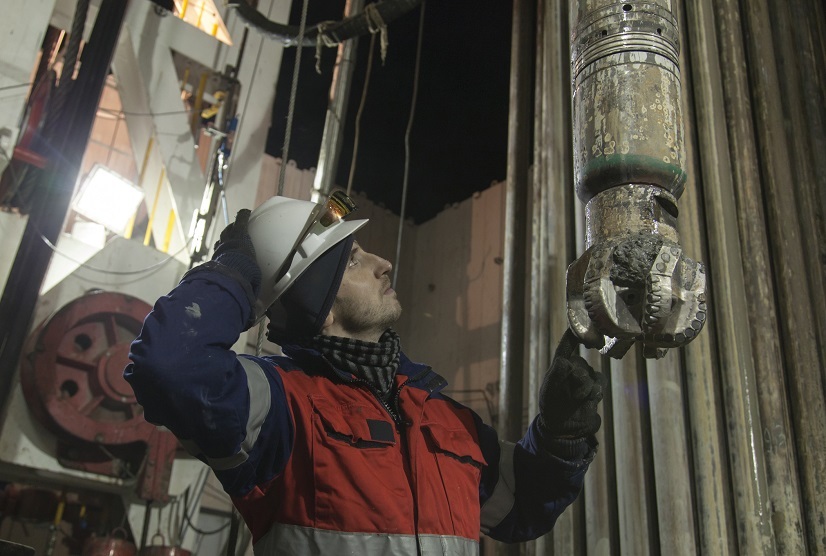
High Pressure, Hazardous Area Approved Flow Meter for Offshore Oil Drilling
A Brooks Instrument metal tube variable area flow meter enables consistent, repeatable pumping of drill mud under these severe process conditions.
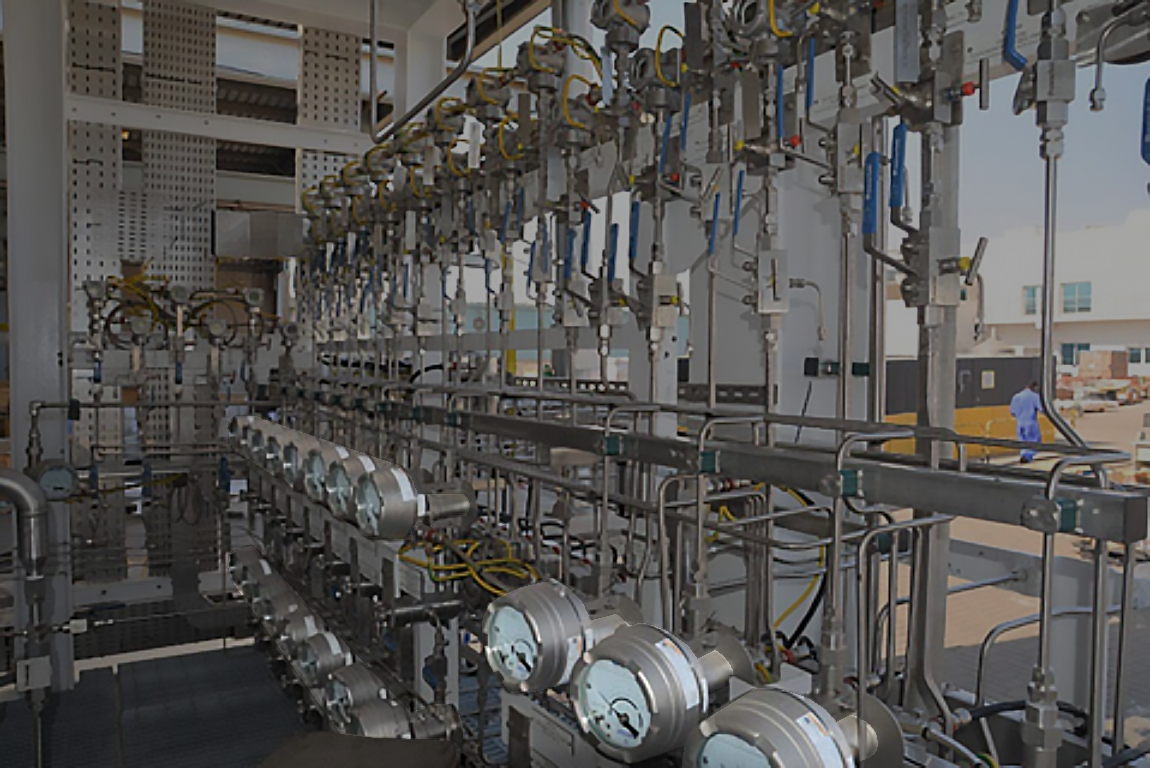
Variable Area Flowmeters for EPC-Engineered Offshore Projects
Metal Tube Variable Area Flow Meters are the preferred mechanical flow measurement devices for EPC contractors in oil & gas projects, particularly in the design and engineering of Wellhead Platforms (WHPs).
Recap
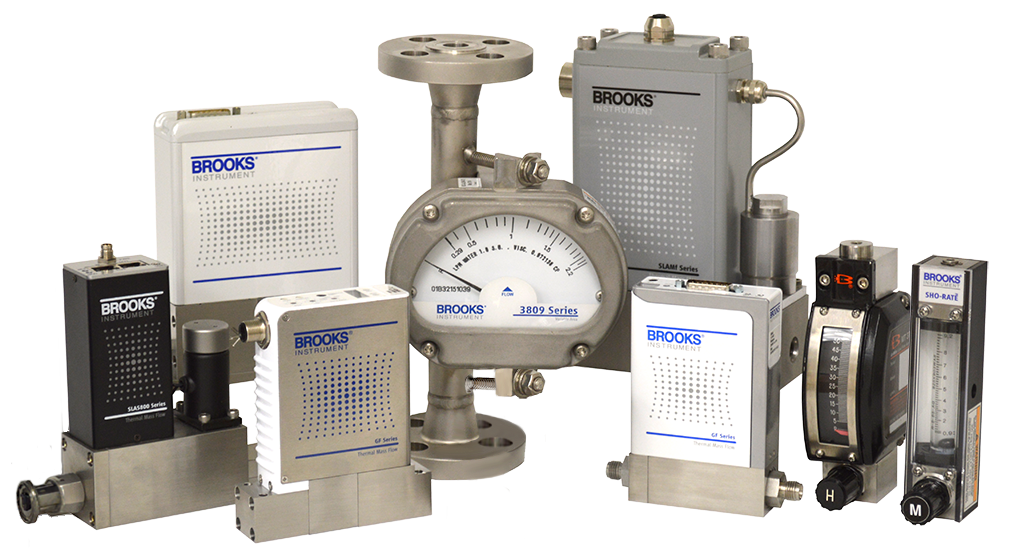
Depending on the application, technologies such as thermal, Coriolis, ultrasonic, and variable area are used to ensure accurate and reliable flow measurement. Across industries ranging from oil and gas to chemical processing, selecting the right flow meter supports precise control, operational efficiency, and long-term process performance.
Discover What’s Possible with Brooks Instrument
Ready to find the right solution? Our experts are here to guide you. Explore products, request support, or connect with a distributor today.