




Six Mass Flow Controller Alarms That Can Make Your System Smarter
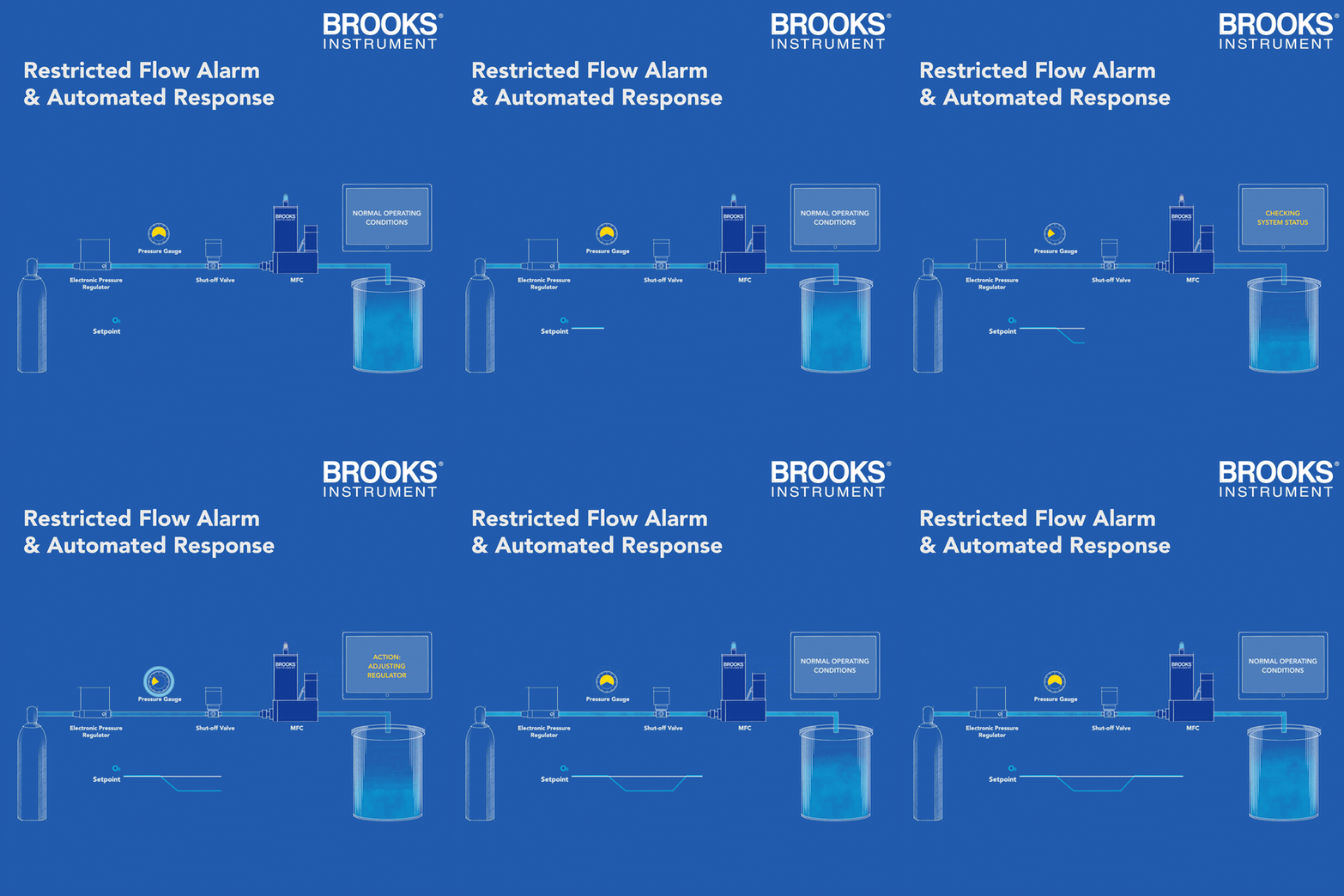
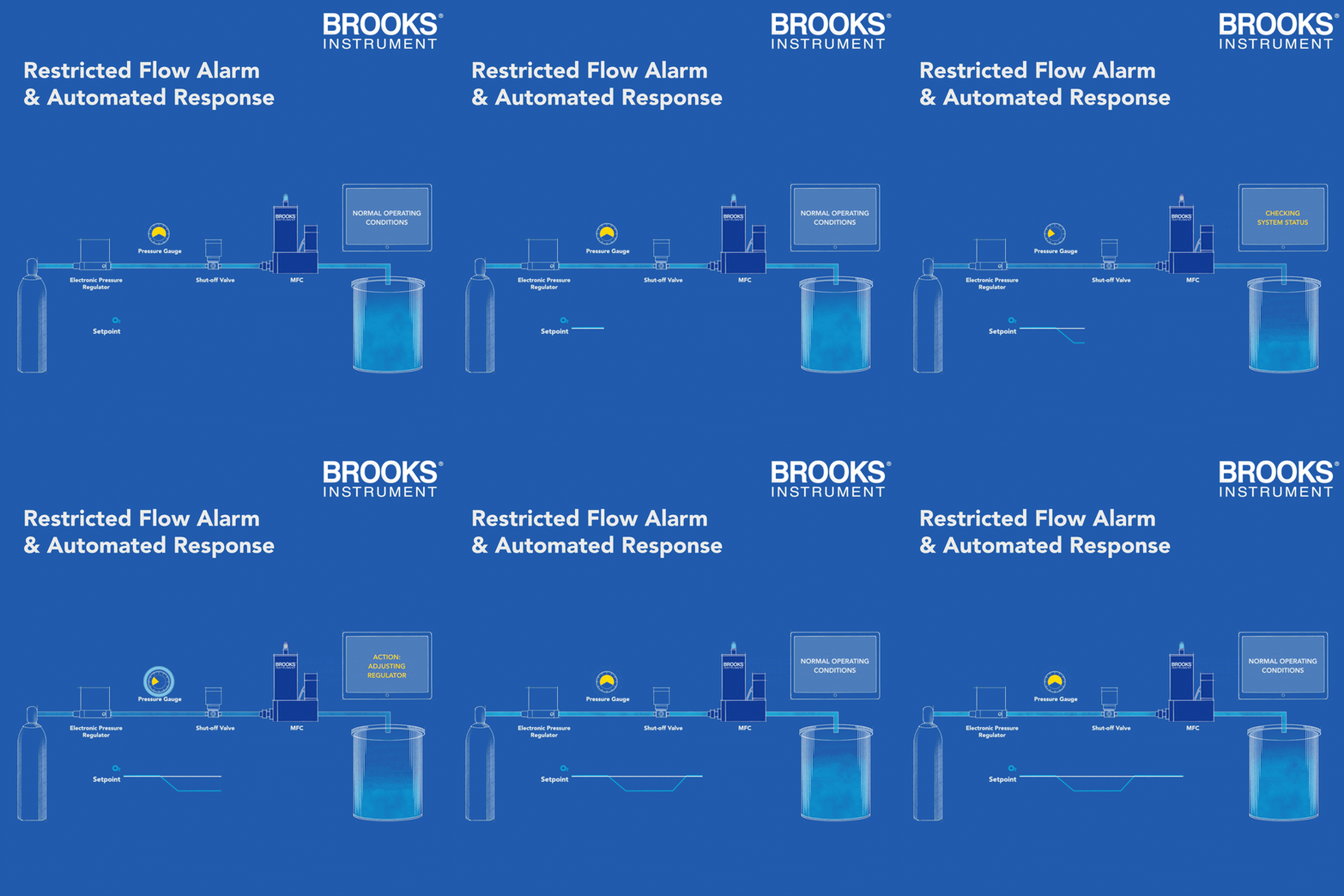
Restricted Flow Alarm & Automated Response
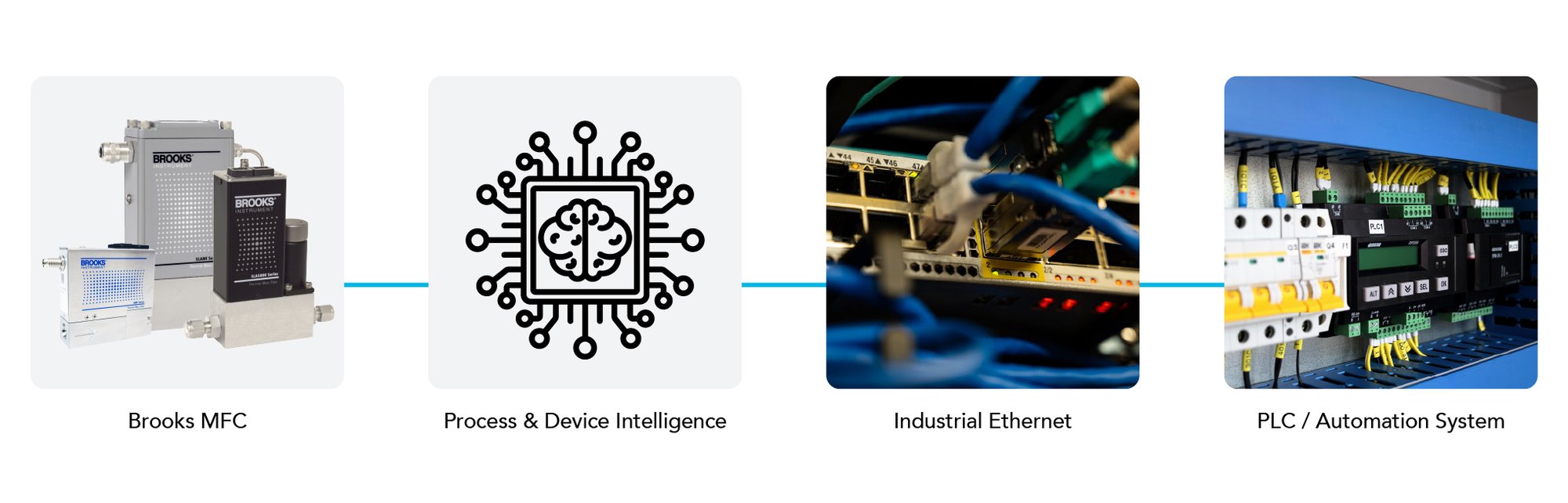
A restriction elsewhere in the gas-delivery system can prevent an MFC from achieving commanded flow even when the MFC itself is operating correctly. For example, a problem with a pressure regulator can restrict gas delivery to the process. The MFC detects the restricted-flow condition, and through an Ethernet-based network, the alarm can be communicated to the automation system for a programmed response.
What Happens Next:
How it Helps
- Reduces the need for manual operator intervention
- Helps identify problems elsewhere in the gas-delivery system
- Helps reduce process interruption and downtime
- Decreases troubleshooting and diagnosis time
- Enables programmed automation-system responses to changing process conditions
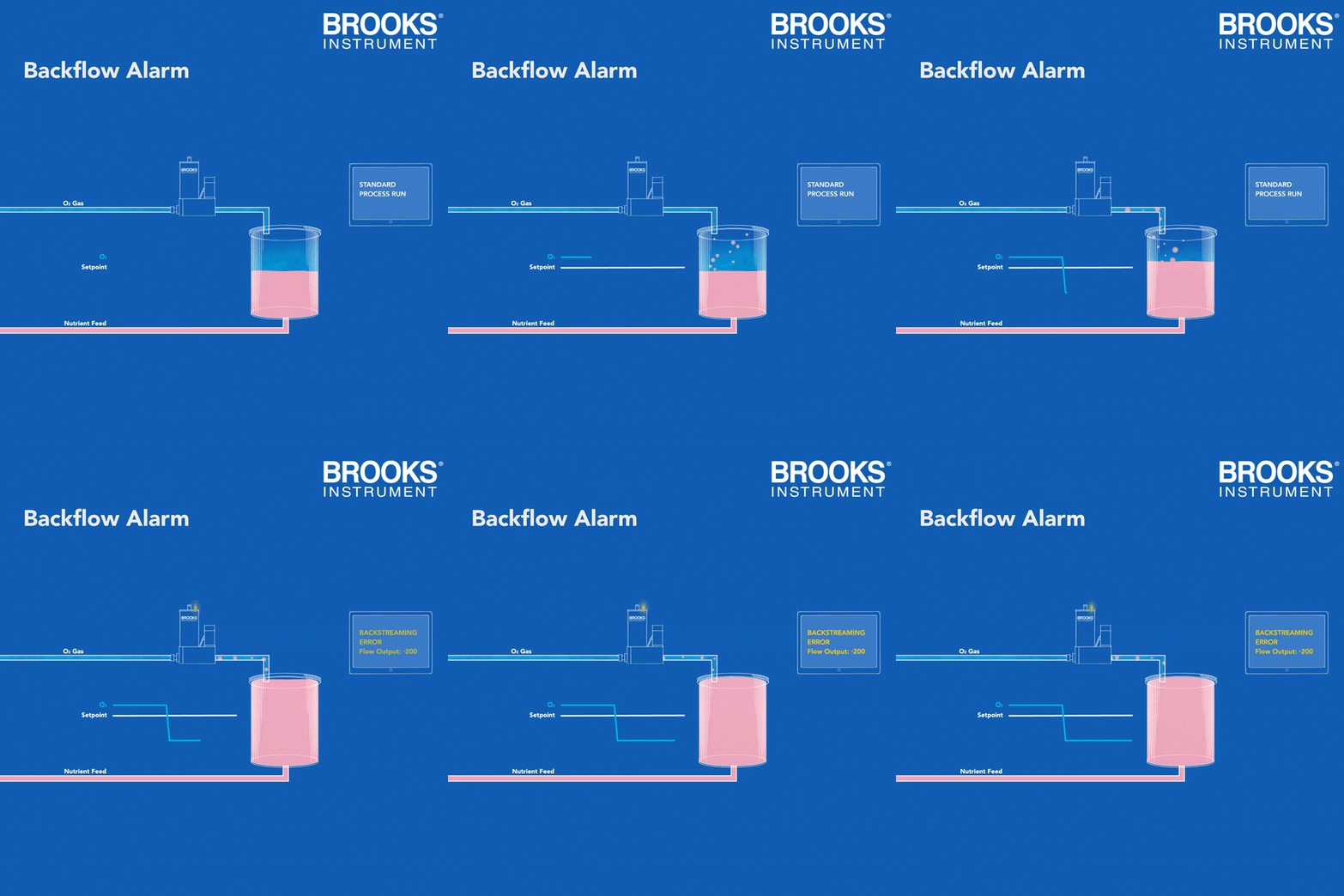
Backflow Alarm
Pressure elsewhere in a process can overcome positive pressure through the MFC and push flow backward through the gas-delivery path. In bioprocessing applications, for example, excessive vessel pressure could potentially push process material toward the MFC. A backflow alarm can alert the operator or automation system to the condition so action can be taken.
What Happens Next:
How it Helps
- Enables faster response to abnormal process conditions
- Can help protect process equipment from adverse backflow conditions
- Provides visibility into problems occurring beyond the MFC
- In bioprocessing, can help reduce the risk of process material entering the gas-delivery path
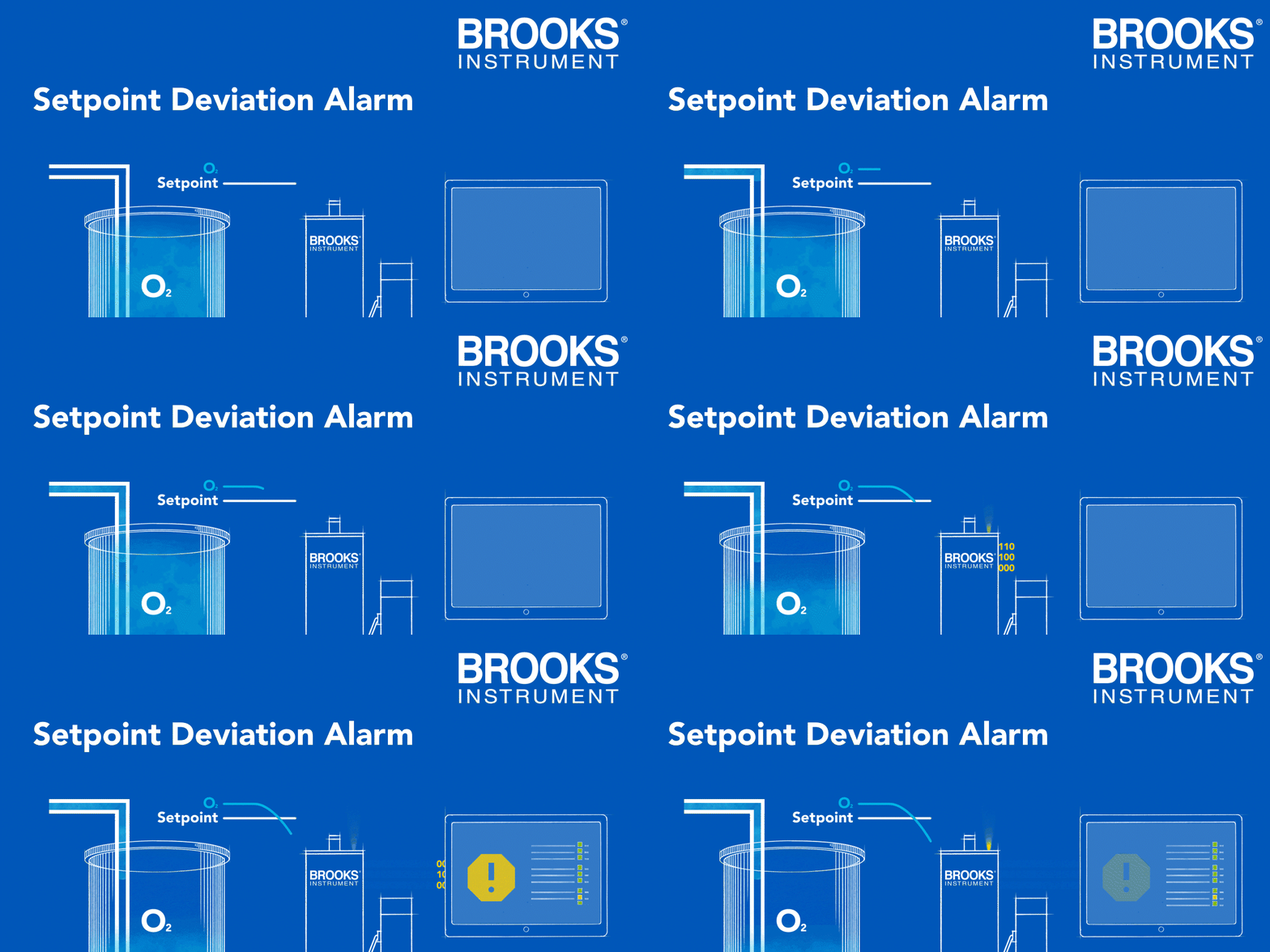
Setpoint Deviation Alarm
A persistent difference between commanded flow and actual flow can indicate a larger gas-delivery or process issue—not simply a problem with the MFC. In a bioreactor, for example, improper delivery of gases such as O₂ and CO₂ can affect critical process conditions such as dissolved oxygen and pH.
What Happens Next:
How it Helps
- Monitors a fundamental element of effective process control across industries
- Helps use the MFC as a troubleshooting tool for larger system issues
- Alerts operators to significant deviations in gas delivery
- In bioprocessing, can help identify gas-delivery conditions that could affect pH and dissolved oxygen
High / Low / No Flow Alarms
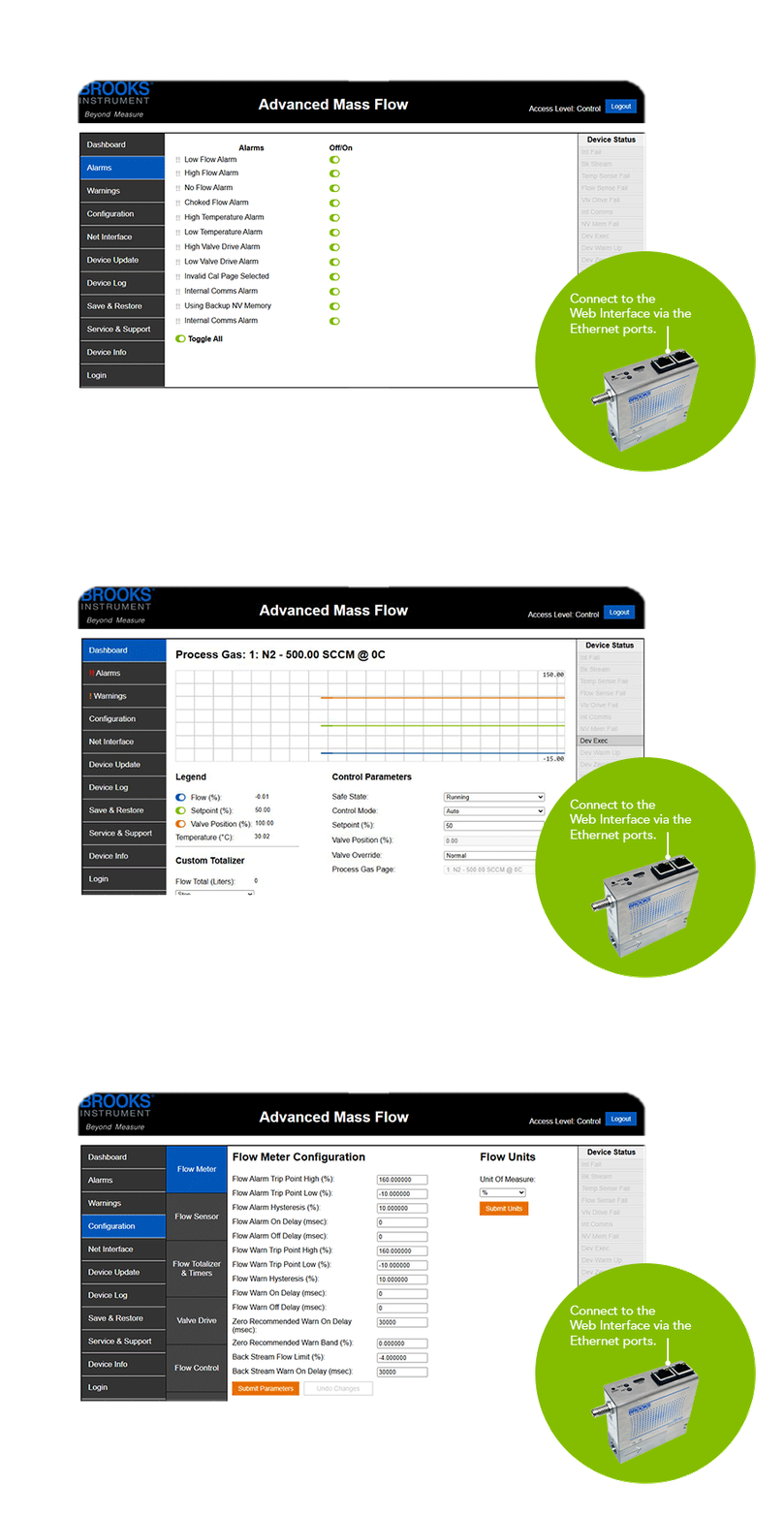
Many processes operate within defined flow ranges or recipes. Configurable alarms can alert operators when flow crosses established upper or lower thresholds—or when expected flow is not present—providing real-time visibility into conditions that could affect process performance.
What Happens Next:
How it Helps
- Monitors flow against defined process limits or recipes
- Can trigger diagnostic or systematic troubleshooting
- Helps support process quality, yield and efficiency
- Provides real-time notification of abnormal flow conditions
- Supports faster response to return processes to expected operating conditions

Zero Drift History
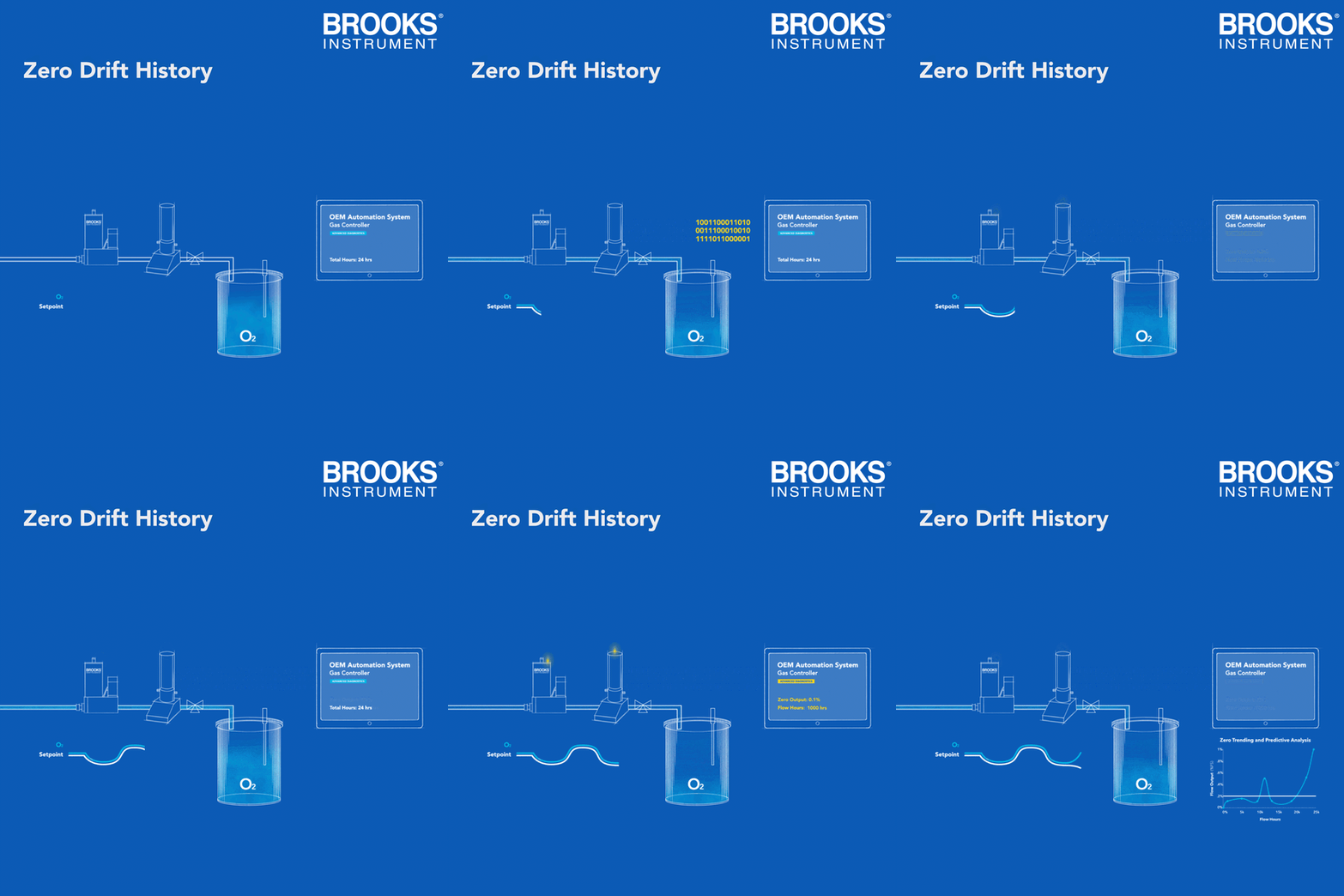
Historical flow and device information can provide insight into changes in MFC behavior over time. Access to flow, temperature and operating history can help engineers evaluate zero behavior, process reproducibility and long-term flow performance.
What Happens Next:
How it Helps
- Enables zero-flow thresholds supporting low-end process control
- Supports reproducibility and lot analysis
- Provides access to flow, temperature and operating history
- Provides data that can support predictive analysis of flow performance
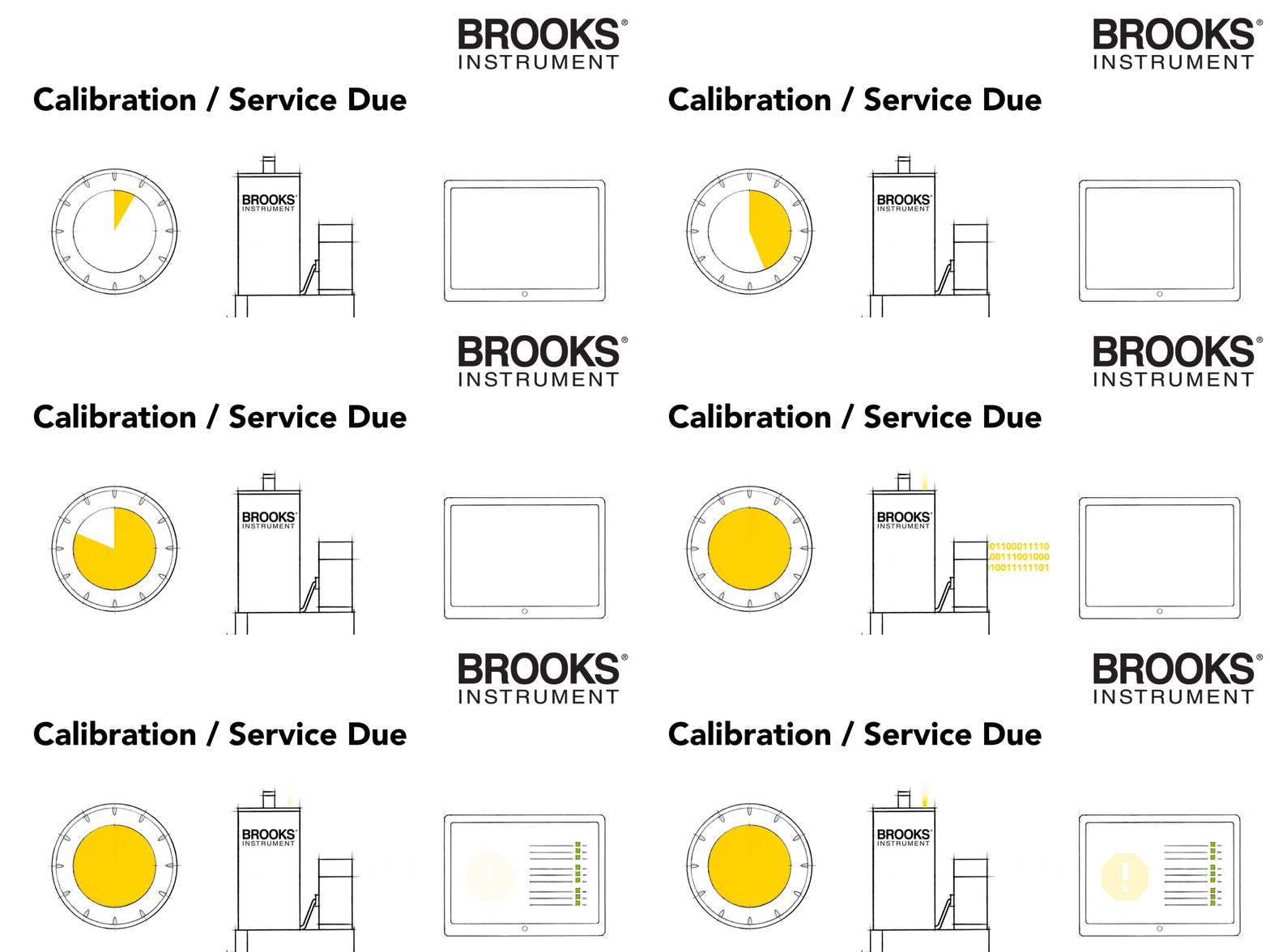
Calibration / Service Due
Connected MFCs can provide alerts when a device is scheduled for service or recalibration, allowing maintenance information to become part of established preventive-maintenance processes rather than relying solely on manual tracking.
What Happens Next:
How it Helps
- Notifies process management when service or recalibration is due
- Reduces dependence on manual maintenance tracking
- Incorporates device alerts into preventive-maintenance processes
- Helps reduce the risk of process drift, productivity loss and unscheduled downtime