


Archive

Archive for the ‘Ultrasonic Liquid Flow Control’ Category

Abrasive and aggressive fluid control is difficult, but doable (Part 2)

July 24th, 2012 1 comment

In this series, we’re discussing the flow control challenges faced by users of abrasive or aggressive fluids. The first post described several applications for these challenging fluids, and briefly introduced a couple of concerns encountered by these users. In this post, we’ll review these concerns in more detail and summarize a few flow control options available for these difficult applications.

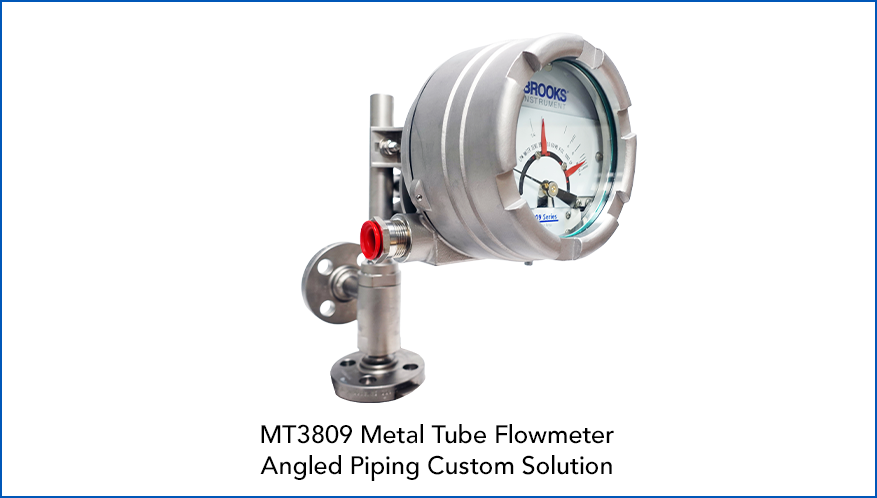
Material compatibility is a major concern when measuring the flow of aggressive fluids like acids.  There are several alternatives to ensure the wetted materials in process instrumentation ‘get along with’ the process fluid. Some options include: the use of high-alloy or exotic metals like Hastelloy C, applying a chemically-resistant lining to the wetted flow path , or even using instruments constructed entirely out of chemically-resistant plastics. In addition to the instruments that provide a way to measure flow, instruments that provide a control function (like valves) should also be specified with appropriate consideration for material compatibility.

Read more…

Abrasive and aggressive fluid flow control is difficult, but doable. (Part 1)

June 19th, 2012 No comments

Here at Brooks, it’s very common for us to work with customers that use our technology in applications that aren’t widely known to the general public. In this series we’ll talk about another of these applications: flow control for abrasive and aggressive fluids. Even though the general public may not know the role that abrasive fluid flow control plays in their daily lives, applications that require this type of flow control are all around us. Many products require this type of control during their manufacturing process, and it is also used in a range of environmental applications like odor control, municipal water treatment, or pH adjustment.

There are a range of applications where reliable abrasive or aggressive fluid flow control is critical, here are a few examples:

Printing Inks: Inks used in printers that we use everyday are made from a range of fluids with different properties. Many color inks contain solvents made from aggressive petroleum distillates, and can also use dissolved titanium dioxide to control color. There are also other fluids that get mixed into these inks like: lubricants that extend the life of the printer heads, waxes that extend the life of the ink on the page, and drying agents that help the ink dry quickly onto new documents.

Slurries: A slurry is made when particles of a solid are suspended in a liquid solution. A common use for slurries is to control the flow of ‘gritty’ solid particles in the slurry across an item to polish the item’s surface, which is a critical step in manufacturing products like processors used in computers and cell phones, or solar panels. In another case, a slurry fills a mold and is turned into a brake pad after it is compressed and dried. Flow control of slurries made from suspended lime are also critical in a range of municipal, environmental, and industrial processes that treat a hazardous compound before disposal.

Metal Pickling: Pickling is a surface treatment process performed on a range of metals to remove impurities or undesirable layers on the surface of the metal. Submerging a metal part into one or more acid baths is commonly used to remove contaminants, rust, or scale to extend the life of metal parts. Pickling can also remove the oxidation layer from copper so it retains its’ color over time; this process is commonly used when making copper jewelry.

What other applications are out there for abrasive or aggressive fluids? We’d love to hear more about your applications in the comments.

As you can tell by the descriptions of these fluids, there are several challenges that users of aggressive or abrasive fluids have to overcome to be successful. Users of these fluids have to ensure that the materials of construction in the equipment and instrumentation they choose for flow control is chemically compatible with these aggressive fluids. Dissolved or suspended solids in a liquid stream can agglomerate (clump) and prevent the system from operating, so users should consider those impacts in their designs for such fluids.

We’ll discuss the range of flow control options available to users of these fluids in our next post.

If you’d like to read a bit more about instrumentation and process control, feel free to check out more of my contributions summarized on my Google Plus profile.